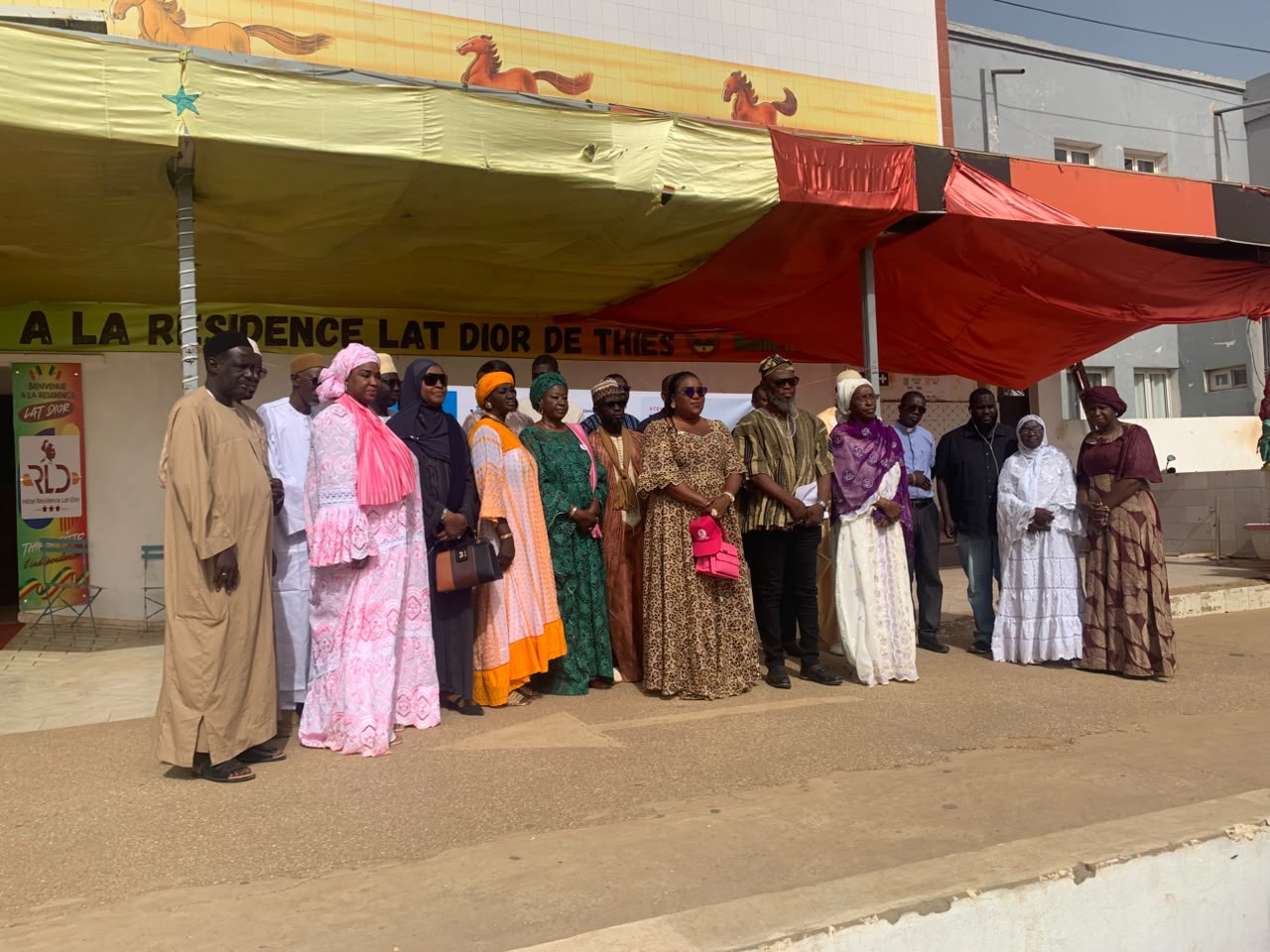
In Thiès, Senegal, Faith to Action Network and La Palabre are engaging Muslim and Christian religious leaders to explore how sacred teachings and shared spiritual values can challenge harmful social norms, protect women and girls, and promote gender justice.
Faith and culture play an influential role in shaping how communities understand family relationships, human dignity and social responsibility. When religious teachings are interpreted and shared in ways that uphold equality and respect, they can become powerful resources for challenging discrimination and preventing gender-based violence.
Recognising this potential, Faith to Action Network, in collaboration with La Palabre Association, convened a Sacred Norms Lab for Gender Justice in Thiès, Senegal, the workshop brought together Muslim, Christian religious leaders and young leaders, to reflect on religious norms and values that support gender justice. The engagement provided a space for interfaith dialogue, critical reflection and the exploration of practical ways to translate faith-based values into action within local communities.
Finding Common Ground Across Religious Traditions
Discussions explored principles within Islamic and Christian teachings that uphold human dignity, the equal worth of all people, mutual respect and the protection of vulnerable individuals.
Participants also examined the distinction between religious teachings and cultural practices that may contribute to discrimination and gender inequality. This reflection encouraged a closer examination of how certain practices become accepted within communities and how religious leaders can draw on faith-based values to challenge those that undermine dignity and equality.
By creating space for Muslim and Christian leaders to engage with these questions together, the workshop highlighted shared commitments to justice, peace, family well-being and social cohesion.
Turning Sacred Teachings into Practical Action
Beyond reflection, the Sacred Norms Lab focused on how religious leaders can apply the knowledge gained within their congregations and communities.
A key proposed outcome was the development of sermon models and religious messages that promote gender justice and can be shared in mosques, churches and community gatherings.
These messages are intended to encourage respect for the dignity and rights of women and girls, prevent gender-based violence, strengthen dialogue within families and promote child protection. They will also address complementarity and shared responsibility within families and communities.
Religious leaders often serve as trusted sources of guidance on family life, relationships and community values. Their sermons and teachings can therefore provide opportunities to challenge harmful stereotypes, encourage respectful behaviour and reinforce the responsibility of individuals and communities to protect those at risk of violence.
The proposed sermon models offer a practical pathway for translating shared spiritual values into messages that resonate with local realities. The next steps identified during the workshop include developing and validating these models for the Thiès context and expanding awareness-raising activities in places of worship and community spaces.
Young Religious Leaders as Champions of Change
The participation of six young religious leaders underscored the importance of involving younger generations in efforts to transform harmful social norms.
Young leaders can help carry conversations about gender justice into their peer groups, congregations and wider communities. Their involvement also creates opportunities for intergenerational dialogue, allowing religious leaders to work together to strengthen messages of dignity, equality and non-violence.
The workshop encouraged participants to take ownership of the knowledge gained and translate it into practical action. In his remarks, Abdoul Alitchawu, representing Faith to Action Network, urged religious leaders to approach the discussions with diligence and open-mindedness, emphasising the importance of producing concrete outcomes adapted to local realities.
Building Partnerships for Lasting Change
The workshop also highlighted the importance of collaboration between religious leaders, civil society organisations and public institutions. The opening ceremony was presided over by Adja Rokhaya Samb, Head of the Thiès Departmental Family Service, representing the Prefect. She reaffirmed the willingness of government services to support initiatives that protect rights, strengthen social cohesion and advance gender justice. She also recognised the work of Faith to Action Network and La Palabre in facilitating community dialogue and commended lead facilitator Yeram Ndao, manager of the Thiès Legal Rights Centre (Boutique des Droits de Thiès) and member of the Senegalese Association of Women Lawyers, for her commitment to the rights of women and girls.
Priorities identified for continued action, include strengthening collaboration among administrative authorities, civil society organisations and religious leaders, and developing a local network of religious champions committed to gender justice.Such partnerships help ensure that efforts to challenge harmful norms are reinforced across religious institutions, public services and community structures.
Making Gender Justice a Shared Commitment
The Sacred Norms Lab represents an important step in strengthening interfaith engagement around gender justice. By bringing Muslim and Christian leaders together to examine religious teachings, question harmful cultural practices and explore practical community-level responses, Faith to Action Network and La Palabre are supporting efforts to make faith a resource for positive social change.
The next challenge is to turn these discussions into sustained action through sermons, community engagement and collaboration among religious leaders and local institutions.
Faith to Action Network calls on religious leaders, community actors and partners to draw on the values of dignity, justice and mutual respect to challenge harmful social norms, prevent gender-based violence and protect the rights of women and girls. Together, faith communities can help build safer, more inclusive communities where everyone is treated with dignity and respect.